
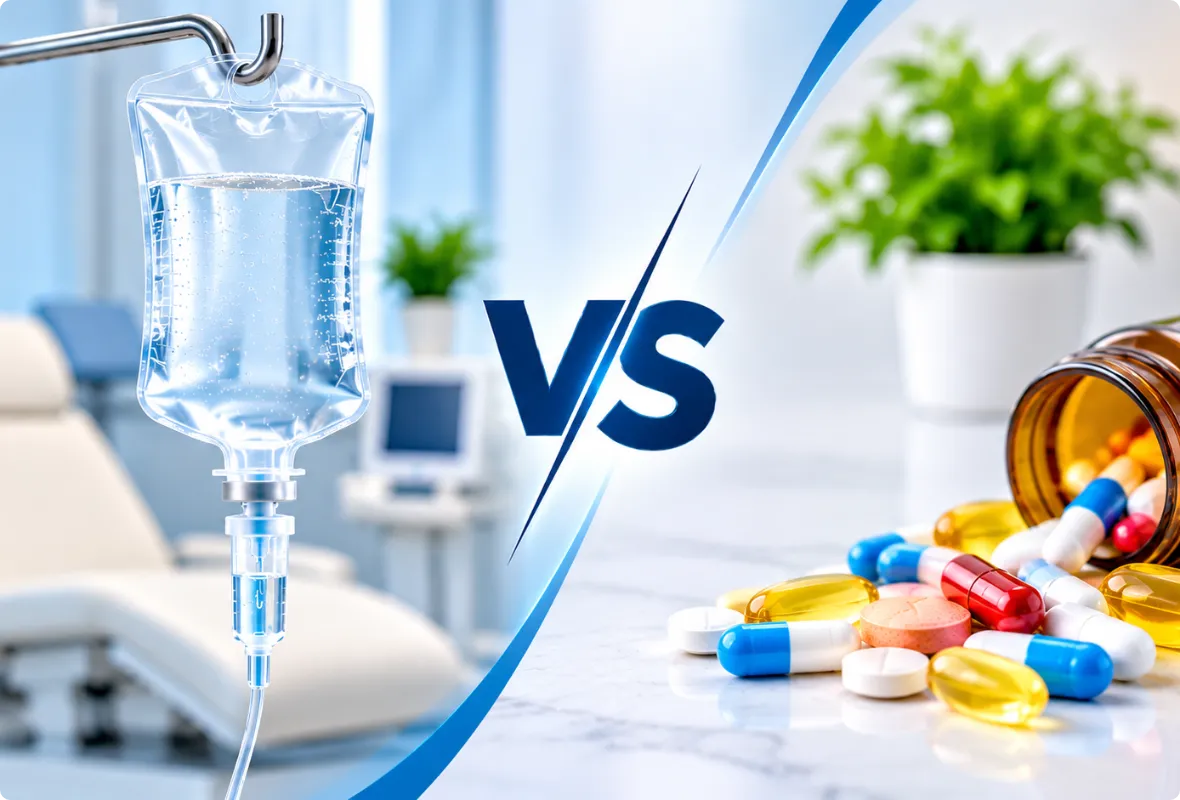
The function of vitamins and minerals is significant for various body activities such as provision of energy and realization of immune response and muscle contraction. The largest part of vitamins and minerals can be obtained through proper nutrition; nevertheless, people should take additional supplements to obtain some vitamins. People who need more vitamins tend to choose either intravenous injection of vitamins or oral intake of vitamins. To know why doctors prefer this way and not that, it is necessary to have some information regarding IV Drip vs Oral Vitamins.
Oral vitamins pass through the process of digestion in the body, while intravenous injections deliver selected vitamins directly into the bloodstream. Consequently, the choice of vitamins depends on individual needs and health conditions.
What Is the Difference Between IV Drips and Oral Vitamins?
The main difference between these two methods is how nutrients enter the bloodstream.
What Is an IV Vitamin Drip?
An IV drip of vitamins is a mixture of various fluids, vitamins, minerals, and other selected nutrients delivered through an intravenous cannula. The healthcare professional inserts the IV cannula into the vein and delivers the solution within a certain amount of time.
As a result of the procedure, the solution goes directly into the blood; it does not go through digestion and absorption process. Healthcare providers can use intravenous administration of nutrients in certain cases of medicine, when a person has problems with nutrient absorption.
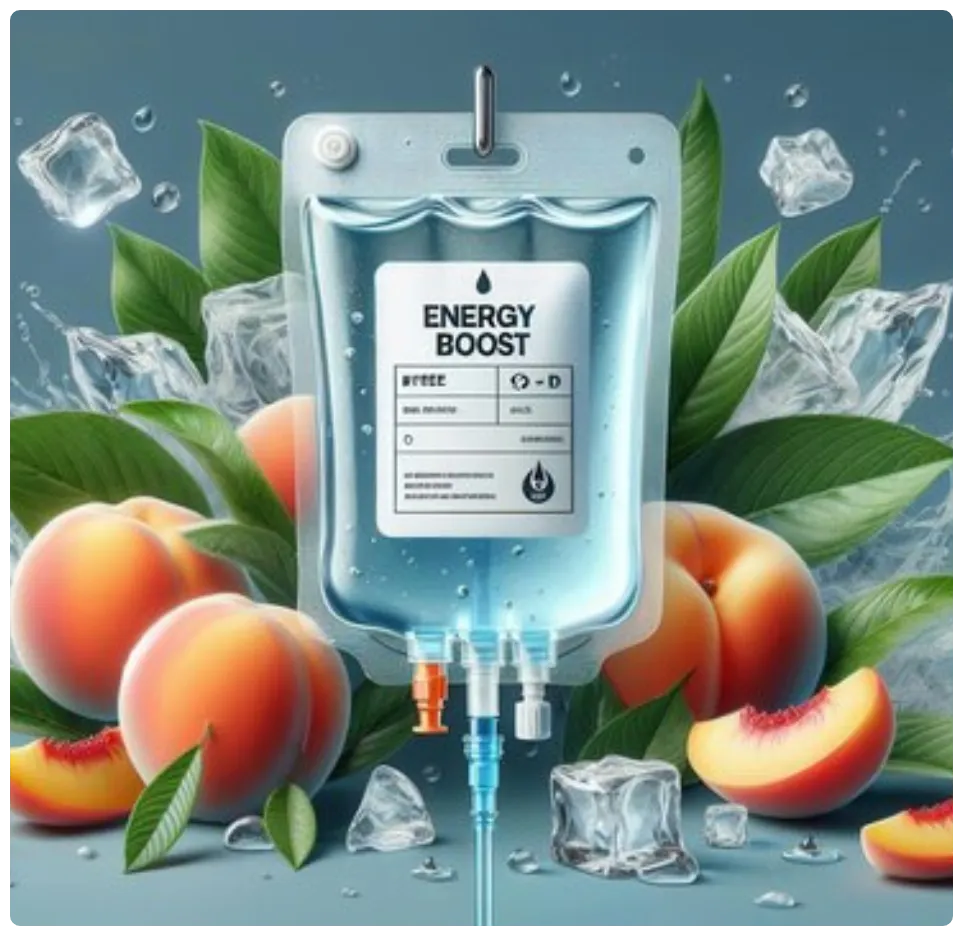
For example, the Energy Boost IV Drip we offer has certain fluids and nutrients included in our treatment for hydration and nutrition. Dr. Bahman Adham first examines the patient’s medical history and test results before recommending treatment.
What Are Oral Vitamin Supplements?
Oral vitamin supplements refer to the types of nutritional supplements that individuals ingest to meet certain nutrient needs. Some of these include:
- Vitamin supplements in tablet or capsule form
- Liquid vitamin supplements
- Chewable vitamin supplements
- Nutritional powder supplements
- Upon ingestion, the digestive process breaks down the vitamin, and the body absorbs its components through the intestines. Blood carries the absorbed components to various body parts.
- Doctors often prescribe oral vitamin supplements to help in correcting certain deficiencies like vitamin D deficiency, vitamin B12 deficiency, iron and folic acid deficiencies. The type of supplement and the dosing vary based on the nutrient levels, the cause and need of the person.

IV Drip vs Oral Vitamins: 6 Key Differences
Though both forms supply nutrients, their main differences lie in how the body absorbs and receives nutrients, their convenience, dosage, and uses in medicine.
1. Nutrient Absorption and Bioavailability
The intestines have to digest and absorb oral vitamins before they become part of the body’s bloodstream. There are many elements that can affect this process, such as the kind of vitamin and the condition of the digestive system.
The introduction of IV vitamins circumvents the need for intestinal absorption, as healthcare professionals put the vitamins directly into the bloodstream. As an illustration, when using intravenous vitamin C, its concentration in the bloodstream is more compared to the concentration in the bloodstream from oral vitamin C. It is important to understand that increased concentration does not imply improved results.
Although IV vitamin therapy delivers nutrients directly into the bloodstream, faster delivery does not necessarily mean better health outcomes. Research published in the Drug and Therapeutics Bulletin highlights the limited evidence supporting high-dose intravenous vitamin infusions for otherwise healthy individuals without a diagnosed deficiency or medical need.
2. Speed of Nutrient Delivery
Healthcare professionals introduce nutrients directly into the blood through the veins via IV infusions, while taking supplements requires a process since the body’s digestive system must break them down first.
However, just because healthcare professionals introduce nutrients into the body quickly does not mean that the body will show quick changes. This will depend on the cause of the problem as well as the nutrients.
3. Convenience and Administration
There is oral supplementation which is an easy way of taking supplements every day. People take these supplements at home without having to go to a clinic for every dose.
IV supplementation involves clinical visitation where there is need for IV access and monitoring. It also requires some preparation and evaluation prior to administration.
4. Dosage and Nutrient Levels
Oral supplements supply nutrients in specific amounts, which individuals consume as per the suggested routine. The digestive system controls how much it absorbs into the bloodstream.
IV treatments offer doctors the ability to inject specific doses of nutrients into the patient’s bloodstream. Healthcare professionals may need to consider high doses with care since even high doses of vitamins and minerals can be unhealthy.
5. Cost and Accessibility
Oral vitamins are comparatively inexpensive and easily accessible from pharmacies and healthcare providers. IV treatments come with increased costs due to clinical settings, equipment and administration.
The ingredients, the volume of the fluids and clinical needs affect the cost of IV treatments in Dubai.
6. Suitability for Different Health Conditions
Supplementation in oral form is applicable to most individuals suffering from usual nutritional deficiencies. Nevertheless, there are some gastrointestinal disorders that affect nutrient absorption and thus require other forms of treatment.
Doctors may suggest injectable or intravenous administration of nutrients to treat certain deficiencies based on the extent of the problem and its cause.
Benefits of IV Vitamin Therapy
IV vitamin treatment has its own advantages in case there is a clinical need for intravenous nutrients delivery.
- Nutrients delivery: Delivers chosen nutrients to the body regardless of gastrointestinal absorption.
- Fluids delivery: Delivers fluids in case intravenous hydration is needed.
- Controlled delivery: Provides an ability for clinicians to pick up components and doses of nutrients depending on clinical indication.
- Alternative delivery route: Provides a possibility of delivering in case of some medical problems with oral absorption of nutrients.
- Professional supervision: Allows the clinical staff to monitor the process of delivery and take care of possible adverse reactions.
Our Immune Boost IV Drip contains chosen fluids, vitamins, minerals and amino acids. It can help with hydration and nutrition but cannot be used to prevent or cure any infections.
Benefits of Oral Vitamin Supplements
Taking vitamins orally still makes sense for nutritional supplementation. Advantages of doing so include:
- Ease of delivery: Supplements are taken by people without the use of IV injections.
- Cheaper form of supplements: Most oral vitamins are cheaper than IVs.
- Supplementing diet: It helps to cover the required deficiency in nutrients in the diet.
- Different types of oral vitamins: Different forms including tablets, liquids, capsules, etc.
- Suitable for many deficiencies: Effective for treating multiple vitamin and mineral deficiencies.
For those requiring vitamin supplementation, it is an effective method if absorption takes place through digestion.
IV Drip vs Oral Vitamins: Which Is Better for Energy and Immunity?
This would depend on the cause of low energy or immune system concerns. They both offer the nutrients needed for regular body functions, but neither will improve one’s energy or immune system if the person is already consuming enough nutrients.
For instance, vitamin B12 deficiency leads to fatigue and weakness among others. Oral supplementation can solve most cases of B12 deficiency, while some absorption conditions can only be solved through injection. Vitamin C and zinc promote regular immune system function, but taking more won’t offer you any more protection from infection.
Fatigue can be due to various factors, and an evaluation is needed to determine the cause, which can include anemia, thyroid problems, sleep disorders, or nutrient deficiencies. One of our other services includes our Iron IV Drip.
What Are the Possible Risks of IV Drips and Oral Vitamins?
But there are risks with each, particularly where too much is taken or when instructions are ignored.
Possible Risks of IV Vitamin Therapy
- Pain, bruising, or swelling at the site of cannulation
- Irritation and redness
- Infection at the point of entry of the intravenous infusion
- Dizziness and nausea during the process of administration
- Allergic reaction to the administered solution
- Fluid overload in cases of certain heart and kidney disorders
High-dose vitamin infusions carry greater risks, like vitamin C infusions which require testing for G6PD deficiency and some renal disorders.
Possible Risks of Oral Supplements
- Nausea or gastrointestinal distress
- Constipation or diarrhea
- Potential interactions with prescription drugs
- Overconsumption of fat-soluble vitamins
- Disorders in nutritional intake because of wrong supplementation
The NIH and FDA recommend that you consult your doctor about the use of supplements if you are on medication or have some health condition.
When Should You Consider IV Hydration Therapy?
The state of dehydration will impact fluid balance and may need professional help. Milder cases of dehydration are usually managed through oral fluid replacement whereas more serious instances will need evaluation by professionals.
Express Hydration IV is one of the therapies offered by our Wellness Infusions clinic after evaluation of the patients’ need for hydration. The cases of more serious dehydration, or even fainting, should be attended to by a doctor and not by wellness infusions.
IV Drip vs Oral Vitamins: How Do You Choose the Right Option?
Choosing between these options depends on nutritional requirements, digestive health and medical history. The following comparison provides a general guide:
Health Requirement | Commonly Considered Option |
Nutrition support regularly | Oral Vitamins |
Vitamin deficiencies that are mild | Oral supplements |
Serious vitamin deficiencies | Injectable or intravenous therapy prescribed |
Malabsorption of nutrients | Alternative therapy when medical advice is sought |
Slight dehydration | Oral fluids |
Serious dehydration | Assessment by a doctor followed by IV fluids |
Neither option can replace a well-balanced diet and sufficient hydration along with proper medical treatment. The health problem needs to be identified first before the remedy is suggested.
Conclusion
Comparison of IV Drip vs. Oral Vitamins proves that both of them have their own unique uses for nutrition and medicine. The oral form is the easy way to get your body supplied with vitamins regularly, while IV drip is a direct supply of nutrients and is useful in some cases of malabsorption and medical necessity.
It must be taken into account during the assessment of nutritional needs and any preexisting conditions of the body. The doctors at IV Therapy Dubai analyze all of these points before offering you the appropriate IV treatment. Make a booking and see what treatments can be used in your case.